Source Adult Transparent CPAP Mask for Hospitals, Clinics, Home
Compare 30 Adult Transparent CPAP Mask options from verified Chinese suppliers. Evaluate specifications like size, material, and sterilization methods to find the right medical consumable for hospital or domestic use.
Key considerations
Products List


PVC Adult CPAP Mask Medical Detachable Nasal Mask with Adjustable Headgear
$12.00 - $14.00
MOQ: 200 Pieces

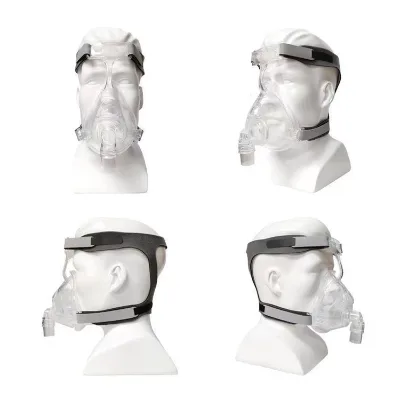
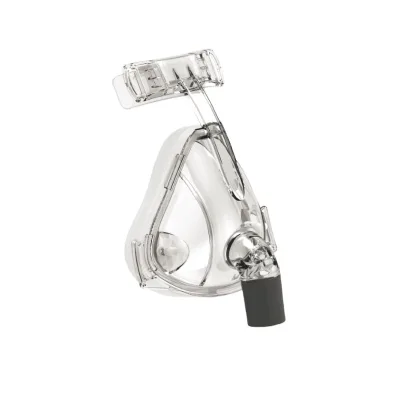
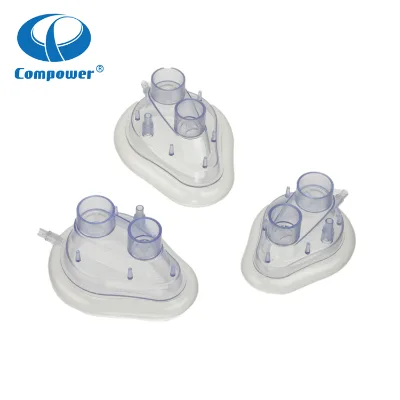
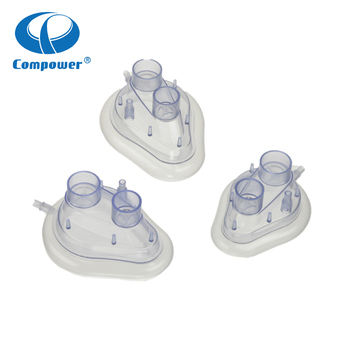
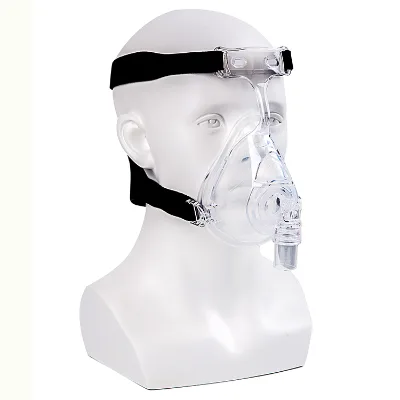
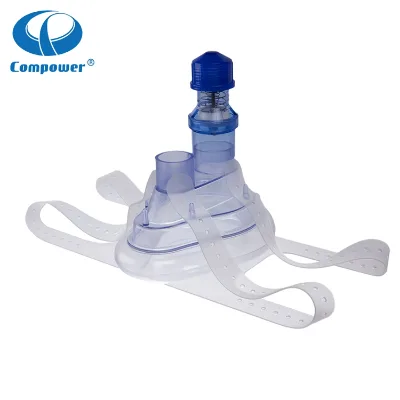


Total Face Bipap CPAP Mask Medical Ventilator Mask Hospital Breathing Mask
$16.00 - $18.00
MOQ: 50 Pieces


Medical Product Reusable Silicone CPAP Mask Bipap Mask Niv Mask Size S M L
$9.00 - $13.00
MOQ: 100 Pieces


Comprehensive Sourcing Guide
Strategic Sourcing Guide for Adult Transparent CPAP Masks
Understanding Product Attributes and Technical Specifications
When sourcing an Adult Transparent CPAP Mask, buyers must first distinguish between the specific product attributes observed in the market and general category expectations. The core keyword implies a device designed for Continuous Positive Airway Pressure therapy, yet the available data reveals a complex landscape of variations. The primary observation for this category is the "Adult" classification, ensuring the device is sized for mature respiratory needs. The material composition is a critical differentiator; specific listings indicate the use of PVC (Polyvinyl Chloride) as the primary material, which is common for its flexibility and clarity.
The transparency of the mask is a defining visual and functional attribute. The data confirms a "Transparent" color specification, which allows for visual monitoring of the patient's facial expression and potential condensation buildup. This feature is particularly valuable in clinical settings where non-verbal cues are essential. Furthermore, the product is classified under "Instrument Classification: Class II," indicating a moderate to high risk medical device that requires special controls to ensure safety and effectiveness.
Size variations are a significant technical consideration. The supply chain data presents multiple sizing standards, including specific dimensions like "15X8X4 cm" and "14.3X9.7X7.5 cm," alongside standard alphanumeric sizing of "S, M, L" and specific adult variants like "Adult-S, Adult-M, Adult-L." Buyers must verify which sizing standard applies to their target demographic, as the physical dimensions directly impact the seal and comfort. The model numbers observed, such as "HY-008," "OM-17," and "CP650004-6," suggest that while the functional category is consistent, the engineering designs vary significantly between manufacturers.
Compliance, Certification, and Regulatory Verification
Navigating the regulatory landscape for Class II medical devices requires rigorous verification. While the provided context lists "ISO 13485" as a low-confidence background element, it should not be treated as a guaranteed certification for any specific listing without direct confirmation from the supplier. Instead, buyers must treat certification status as a variable that requires active validation. The "Instrument Classification: Class II" designation is a high-confidence fact that mandates adherence to specific quality management systems and regulatory frameworks in the destination market.
Sterilization status is another critical compliance factor. The data presents a dichotomy: some products are listed as "EO Sterile" (Ethylene Oxide Sterile), while others explicitly state "Without Ethylene Oxide Sterilization." This distinction is vital for procurement strategy. Sterile masks are typically intended for single-use applications in hospital environments where infection control is paramount. Non-sterile masks may require terminal sterilization by the healthcare facility or are intended for long-term use with proper cleaning protocols. Buyers must align their procurement with the specific sterility requirements of their application, whether "Domestic or Hospital Use."
Additionally, the "Ethylene Oxide Sterilization" attribute indicates that some products do not undergo this process. This is a crucial detail for supply chain logistics, as EO sterilization involves specific handling requirements and residual gas testing. The presence of "Without Logo Printing" on some items suggests a focus on generic or OEM branding, which may simplify regulatory labeling requirements but requires careful attention to the "Brand Name" field, which can be "Canack or OEM."
Cost Drivers and Pricing Dynamics
The pricing for adult transparent CPAP masks is influenced by several tangible factors derived from the supply data. The observed price range spans from $0.8 to $500 USD, a vast disparity that reflects differences in product complexity, material quality, and packaging. The lower end of the spectrum likely corresponds to basic, non-sterile, single-item units with minimal packaging, such as "Individual PE Bag." Conversely, the higher price points may reflect Class II devices with advanced features, sterile packaging, or specialized models like the "CPAP Mask" or "Oxygen Mask" variants.
Material costs play a significant role, with PVC being the specified material. The quality of the PVC and the manufacturing process (e.g., injection molding vs. thermoforming) will directly impact the unit cost. The "Single Gross Weight" also varies, with observations of 0.170 Kg and 1.0 Kg. Heavier units may indicate more robust construction or the inclusion of additional components like headgear or cushioning, which adds to the material and shipping costs.
Packaging is another major cost driver. The data lists "Carton," "Individual Box Packing," and "Individual Box" as common methods. Bulk packaging in cartons reduces per-unit shipping costs but may increase the initial investment for storage and handling. The "Supply Ability" of 50,000 sets or pieces per month suggests that volume discounts are likely available, but buyers must balance this against their "MOQ" (Minimum Order Quantity) requirements, which range from 1 to 1000 units. The "Customization: Available" attribute indicates that branding and packaging modifications are possible, which will invariably increase the unit price and potentially the lead time.
Typical Applications and Usage Scenarios
The versatility of these masks is evident in the "Application" attributes, which include "Domestic or Hospital Use" and "Medical Consumable." This broad applicability means that sourcing strategies must be tailored to the end-user environment. In a hospital setting, the "Single patient used" attribute is critical. Masks designated for single-patient use are typically sterile and designed for short-term, high-frequency replacement to prevent cross-contamination. The "Leakproofness" attribute, described as "No or almost no air leakage," is a key performance indicator for clinical efficacy, ensuring that the positive pressure therapy is delivered effectively without waste.
For domestic use, the "Comfort level" is a primary concern. The data describes the product as "Comfortable and easeful," which is essential for patients who may wear the mask for extended periods during sleep. The "Transparent" nature of the mask aids in monitoring the patient's condition without removing the device, a feature that is beneficial for caregivers in home settings. The "Style: Used for Human" confirms the device is intended for direct patient contact, necessitating biocompatible materials.
The "Power Source: Electric" attribute, while seemingly contradictory for a passive mask, may refer to the compatibility with electric CPAP machines or specific powered ventilation systems. Buyers should verify if the mask is a standalone consumable or part of a larger system. The "Feature: Durable" suggests that some models are designed for repeated use, which contrasts with the "Single patient used" designation. This duality requires buyers to clearly define whether they are purchasing disposable consumables or reusable equipment, as this decision impacts inventory management and long-term costs.
Supplier Evaluation and Geographic Considerations
Geographic origin is a significant factor in supplier evaluation. The data indicates that the primary production hubs are "Zhejiang, China" and "Fujian, China," with some entries simply listing "China" or "China(Mainland)." These regions are known for their robust manufacturing capabilities in the medical device sector. The "Port of dispatch: shenzhen" provides a logistical anchor for international buyers, suggesting established shipping routes and infrastructure.
When evaluating suppliers, the "Brand Name" field offers insight into the supplier's market positioning. The presence of "Canack or OEM" suggests that many manufacturers are willing to operate under private label arrangements, allowing buyers to build their own brand identity. However, the "Without Logo Printing" attribute on some items indicates that some suppliers may prioritize generic production or have specific constraints on branding. Buyers should verify the "Quality Guarantee Period," which is listed as "Two Years" for certain products, indicating a level of confidence in the product's durability and performance.
The "Supply Ability" of 50,000 sets or pieces per month is a strong indicator of production capacity. However, buyers must correlate this with the "MOQ" range of 1 to 1000. A supplier with high supply ability but a high MOQ may not be suitable for small-scale procurement, while a supplier with low MOQ but limited capacity may struggle to meet large orders. The "Customization: Available" attribute is a key differentiator, allowing buyers to tailor the product to specific market needs, but this requires a more collaborative relationship with the supplier.
Quality Control and Long-Term Procurement Strategy
Quality control for Class II medical devices must be rigorous and continuous. The "Instrument Classification: Class II" mandates that suppliers maintain strict quality management systems. Buyers should request evidence of compliance with relevant standards, even if specific certifications like ISO 13485 are not explicitly confirmed in the initial data. The "Leakproofness" and "Comfort level" attributes are performance metrics that should be validated through testing, especially for long-term procurement contracts.
The "Quality Guarantee Period: Two Years" is a significant factor in long-term planning. This warranty period suggests that the manufacturer stands behind the product's durability and performance for a substantial duration. However, buyers must clarify the terms of this guarantee, including what constitutes a defect and the process for claims. The "Single Gross Weight" variations (0.170 Kg vs. 1.0 Kg) also highlight the need for consistent quality control in manufacturing processes to ensure that every unit meets the specified weight and dimension standards.
For long-term procurement, the "Customization: Available" attribute offers flexibility. Buyers can work with suppliers to develop masks that meet specific regional regulatory requirements or patient preferences. The "Material: PVC, PVC" specification indicates a consistent material base, but buyers should verify the grade and purity of the PVC to ensure it meets biocompatibility standards. The "Packing: Individual Box Packing" or "Individual PE Bag" options allow for customization of the unboxing experience, which can be a differentiator in the market.
Finally, the "Logistics" aspect of procurement should be carefully managed. The "Port of dispatch: shenzhen" and the various "prod_packing" options (Carton, Individual Box) provide flexibility in shipping strategies. Buyers should consider the "Lead Time" implications of customization and the "MOQ" requirements when planning their inventory. By aligning the procurement strategy with the specific technical and regulatory requirements of the Adult Transparent CPAP Mask market, buyers can ensure a reliable supply of high-quality medical devices.
Comparative Analysis of Key Product Variants
To facilitate decision-making, the following table summarizes the key variations observed in the supply data for adult transparent CPAP masks. This comparison highlights the diversity in specifications, which buyers must navigate to select the most appropriate product for their needs.
| Attribute | Variant A (Basic/Consumable) | Variant B (Sterile/Clinical) | Variant C (Custom/OEM) |
|---|---|---|---|
| Model Number | HY-008, FM2, OM-17 | CP650004-6 | vm, Custom |
| Sterilization | Without Ethylene Oxide | EO Sterile | Variable |
| Material | PVC | PVC | PVC |
| Packaging | Individual PE Bag | Individual Box | Carton / Individual Box |
| Logo Printing | Without Logo Printing | Variable | Available (OEM) |
| Application | Domestic or Hospital | Hospital Use | Medical Consumable |
| Weight | 0.170 Kg | 1.0 Kg | Variable |
| Size | S, M, L | Adult-S, Adult-M, Adult-L | S, M, L |
| Origin | Zhejiang, China | Fujian, China | Zhejiang, China |
This table illustrates that while the core product category remains consistent, the specific attributes vary significantly. Buyers must carefully match these attributes to their operational requirements, ensuring that the selected product meets the necessary regulatory, clinical, and logistical criteria. By understanding these distinctions, procurement professionals can make informed decisions that optimize both cost and quality in the Adult Transparent CPAP Mask market.
FAQs
What is the instrument classification for adult transparent CPAP masks?
These masks are classified as Class II medical instruments, indicating moderate to high risk requiring special controls. This classification mandates adherence to specific quality management systems and regulatory frameworks in the destination market to ensure safety and effectiveness.
Can these masks be customized with a specific brand logo?
Customization is available for branding and packaging modifications, though some items may arrive without logo printing. Buyers can work with suppliers to develop masks meeting specific regional requirements, but this process may increase the unit price and potentially extend lead times.
What materials are used to construct these adult transparent masks?
The primary material specified for these masks is PVC, which provides flexibility and clarity. This material composition is consistent across listings and supports the transparent color specification, allowing for visual monitoring of the patient's facial expression during use.
How does the sterilization status vary among available CPAP mask models?
Sterilization status varies, with some products listed as EO Sterile while others explicitly state without Ethylene Oxide Sterilization. Sterile masks are intended for single-patient use in hospital environments, whereas non-sterile options may require terminal sterilization by the healthcare facility.
What are the typical supply abilities for manufacturers of these masks?
Manufacturers typically report a supply ability of 50,000 sets or pieces per month. This capacity suggests that volume discounts are likely available, but buyers must balance this against their specific Minimum Order Quantity requirements which range from 1 to 1000 units.
Which sizes are available for adult transparent CPAP masks?
Available sizes include standard alphanumeric options like S, M, L and specific adult variants such as Adult-S, Adult-M, and Adult-L. Some listings also provide specific physical dimensions like 15x8x4 cm, which buyers must verify to ensure the correct seal and comfort.